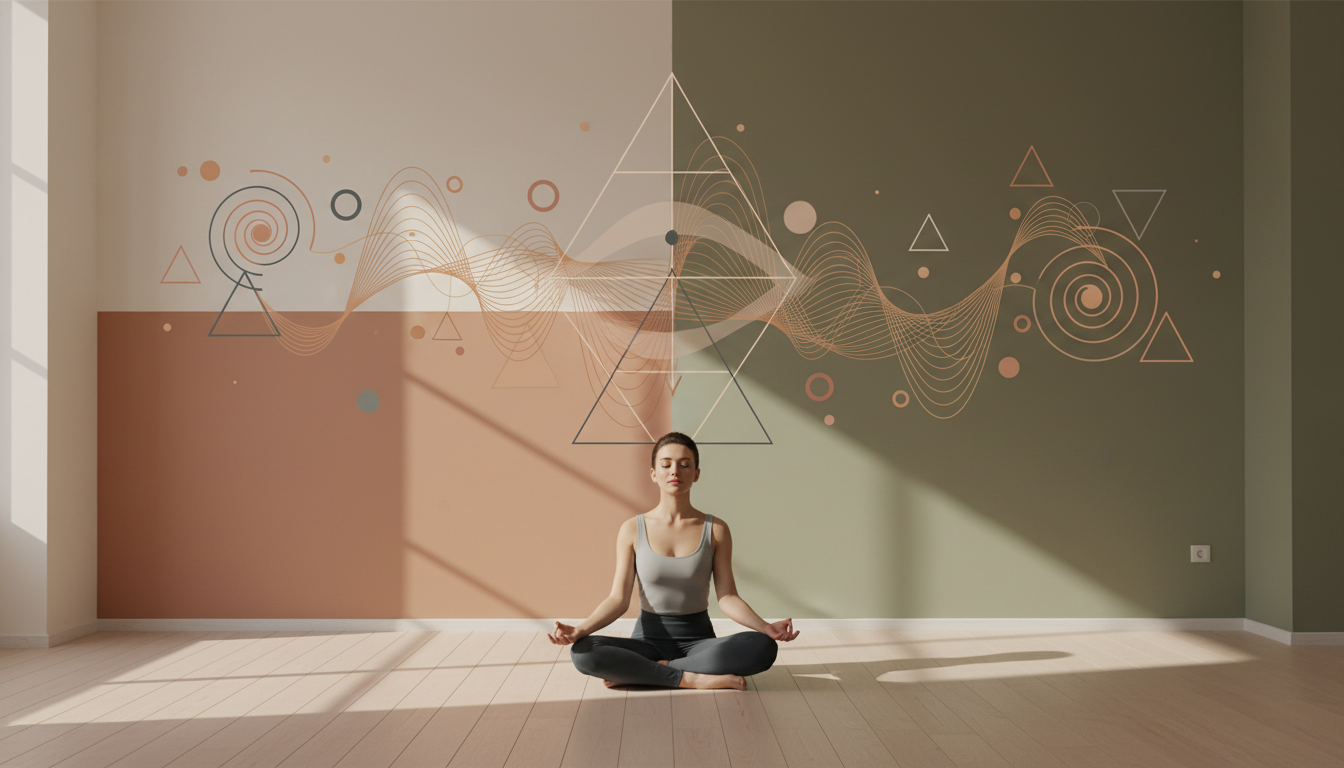
Use Boredom as Brain Training, A World Brain Day Protocol for Attention and Creativity
Boredom is usually treated as a problem to eliminate, but the brain may need carefully placed low-stimulation time the same way muscle needs recovery between hard sets. On World Brain Day, the practical question is not whether boredom feels pleasant. It is whether we can use it as a structured input to restore attention, support creativity, and build cognitive resilience.
The Science Behind It
Boredom is not “nothing happening.” It is a brain state where the usual stream of novelty, reward, and task demands drops below your preferred stimulation threshold. That discomfort often triggers a reflexive reach for a phone, snack, tab, or notification. But if you stay with the state briefly, the brain shifts from externally driven attention toward internally generated cognition.
Mechanistically, this matters because modern life overtrains stimulus-response attention. Each alert, feed refresh, or multitasking loop recruits salience and reward systems that bias the brain toward novelty. Low-stimulation time gives the brain a chance to engage networks involved in mind wandering, autobiographical memory, future planning, and creative recombination, often associated with the default mode network. This is one reason good ideas frequently emerge during walks, showers, quiet commutes, or repetitive chores.
Boredom also creates an attention contrast. When stimulation is always high, normal tasks feel dull, and the threshold for focus rises. When stimulation is intentionally reduced, reading, deep work, conversation, and learning can become more salient again. This does not mean boredom is always healthy. Prolonged, lonely, or ruminative boredom can worsen mood and drive impulsive behavior. The goal is brief, structured low-stimulation exposure, not deprivation.
From a longevity perspective, brain health depends on more than avoiding disease. It depends on maintaining flexible networks that can shift between focus, rest, planning, and recovery. A 2024 Nature study by Schlegel and colleagues mapping and annotating the Drosophila brain highlights how deeply cognition depends on organized neural connectivity. In humans, protecting that connectivity means training not only performance, but also recovery. Separately, the 2023 Antioxidants review by Maldonado and colleagues described oxidative stress as a contributor to multiple hallmarks of aging, including mitochondrial dysfunction and loss of proteostasis. While boredom itself is not an antioxidant therapy, reducing chronic cognitive overstimulation may support better stress regulation, sleep readiness, and behavioral choices that protect the aging brain.
Here is a practical protocol for turning boredom into a cognitive-health tool.
The Protocol
Phase 1: Morning Setup, Lower the Stimulation Floor
-
Start with a 10-minute no-input window: Within the first 30 minutes after waking, avoid your phone, email, podcasts, news, and social media. Do basic actions only, such as making coffee, opening blinds, brushing teeth, or stepping outside. The goal is to let your nervous system come online before flooding it with external demands.
-
Use light and movement before information: Get natural light exposure and perform 5 to 10 minutes of easy movement before consuming digital content. This anchors circadian signaling and creates a calm alert state, which is better for attention than immediate novelty.
-
Name your first cognitive target: Write one sentence: “The most important thinking task today is ___.” This gives the brain a direction before outside stimuli compete for priority. It also turns boredom into a runway for intention rather than drifting.
-
Delay fast dopamine inputs: If possible, push social media, short-form video, online shopping, and news feeds at least 60 minutes after waking. These are not morally bad inputs. They are high-novelty inputs that can raise your stimulation threshold early in the day.
-
Caveat: If you have caregiving duties, medical alerts, or time-sensitive work, do not force a rigid digital blackout. Instead, create a narrow-check rule: check only the necessary channel, then return the device to another room.
Phase 2: Midday Implementation, Train Productive Boredom
-
Schedule one 15-minute boredom block: Place it between cognitively demanding tasks, ideally before creative work, strategic planning, writing, or problem solving. Sit, walk, or do a simple chore without audio, screens, reading, or conversation. Let the mind wander without trying to optimize it.
-
Use the “no capture for 10 minutes” rule: During the first 10 minutes, do not write ideas down, search questions, or open notes. This prevents the brain from converting every internal signal into another task. In the final 5 minutes, capture only the most useful ideas, patterns, or next steps.
-
Pair boredom with low-complexity movement: Walking, folding laundry, watering plants, or tidying a room can work better than sitting still. Repetitive movement reduces restlessness while leaving enough cognitive bandwidth for spontaneous thought.
-
Protect against rumination: Productive boredom has a loose, open quality. Rumination feels repetitive, threat-focused, and sticky. If your mind loops on the same worry for more than a few minutes, shift to a grounding practice: feel your feet, lengthen your exhale, look at distant objects, or do a short walk outside.
-
Follow with one deep-work block: After the boredom period, work for 25 to 50 minutes on a single cognitively meaningful task. This is where the protocol pays off. Low stimulation resets the contrast, then focused work uses that renewed attentional capacity.
-
Use friction against reflex stimulation: Put your phone in another room, log out of addictive apps, or use grayscale mode during work blocks. The purpose is not discipline theater. It is reducing the number of times your attention has to win a fight.
-
Caveat: People with ADHD, anxiety, depression, trauma histories, or high stress loads may experience unstructured silence differently. Start with 2 to 5 minutes, use walking rather than stillness, and consider pairing the practice with therapy-supported regulation skills if boredom triggers distress.
Phase 3: Evening Recovery, Consolidate Without Overfeeding the Brain
-
Create a 20-minute low-stimulation landing zone: At least 30 to 60 minutes before sleep, shift into quiet, non-digital activity. Options include stretching, light cleaning, preparing tomorrow’s clothes, journaling, slow breathing, or reading printed material that is not work-related.
-
Run a “mental residue dump”: Write three short lists: what is unfinished, what matters tomorrow, and what can wait. This reduces the likelihood that low stimulation turns into bedtime problem-solving.
-
Replace scrolling with a sensory downshift: Choose one simple cue, such as dim lights, warm shower, calm music without lyrics, or breath-focused relaxation. High-novelty content at night keeps attention externally hooked and may delay the brain’s transition into sleep-supportive rhythms.
-
Track the minimum effective dose: For 7 days, record three numbers from 1 to 5: focus quality, creative ideas, and evening restlessness. Also record total boredom minutes. Most people do not need hours. Many benefit from 10 to 30 minutes of intentional low-stimulation time per day.
-
Keep boredom separate from loneliness: Solitude can be restorative, but social isolation is not the goal. If low-stimulation time makes you feel disconnected, place it before meaningful contact, such as a walk with a friend, family dinner, or an unhurried phone call.
Key Takeaways
-
Boredom is a signal, not a failure: Used briefly and intentionally, it can help lower your stimulation threshold and make focused work feel more accessible.
-
The best dose is small and structured: Start with 10 minutes in the morning, one 15-minute midday block, and a 20-minute evening downshift. Adjust based on mood, focus, and sleep.
-
Low stimulation supports cognitive flexibility: By giving the brain space to shift from external input to internal processing, boredom can support attention, creativity, planning, and recovery.
-
Do not confuse productive boredom with rumination: If the mind becomes threat-focused or repetitive, add movement, grounding, or social support.
-
World Brain Day is a reminder to train recovery: Brain health is not only about learning harder, working longer, or tracking more data. It is also about giving neural networks enough quiet to reorganize, consolidate, and come back online with greater precision.