The July 21 Longevity FAQ Has One Answer: Preserve Muscle
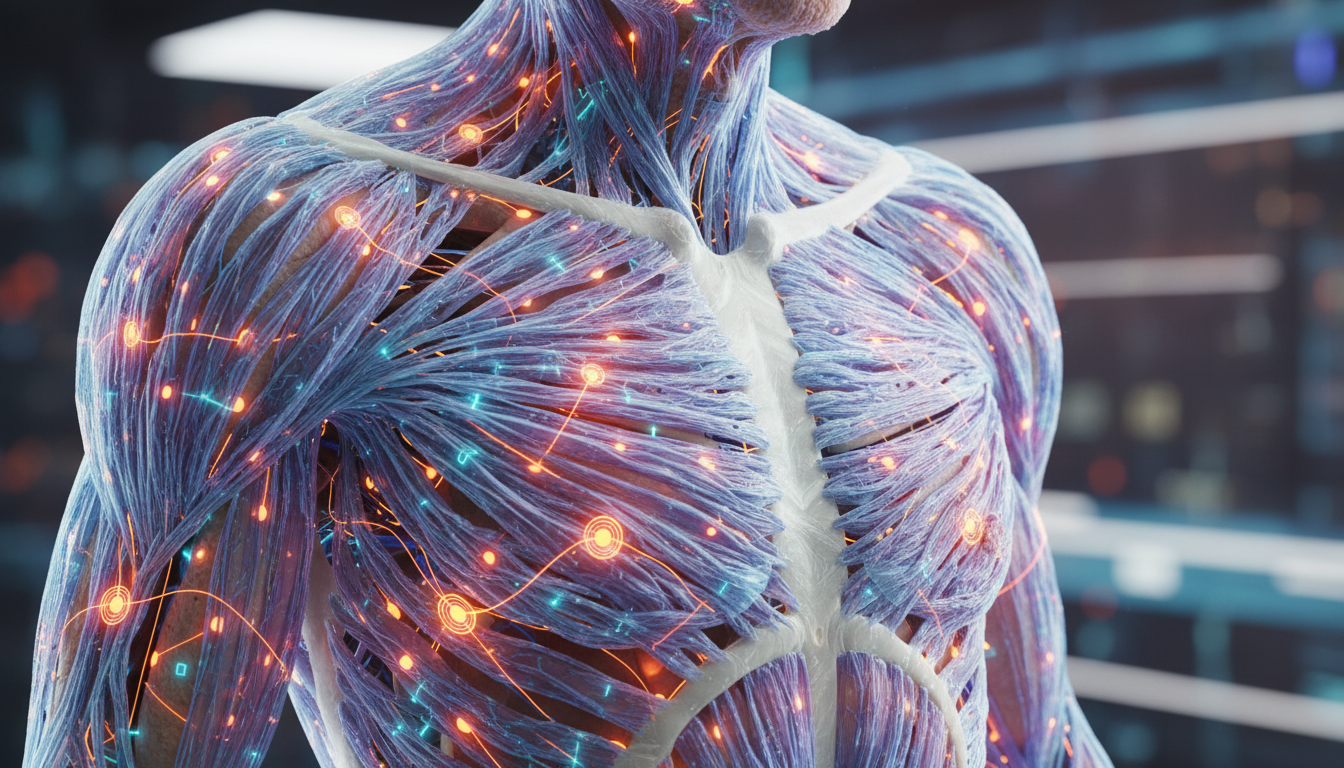
The most actionable healthspan questions from the July 21 livestream reduce to one priority: protect strength before you lose it. Muscle is not cosmetic. It is metabolic reserve, fall protection, treatment resilience, and cardiovascular risk modifier.
Why it matters:
Sarcopenia is the quiet failure mode of aging. A 2023 review in Metabolism by Yuan and Larsson estimated sarcopenia affects roughly 10% to 16% of older adults, depending on definition, and is linked to disability, falls, frailty, and mortality.
The practical takeaway: do not wait for “old age” to train capacity. By the time weakness is obvious, the slope is already steep.
The evidence:
-
Q: What is the highest-leverage longevity behavior?
A: Progressive resistance training. A 2023 network meta-analysis in the Journal of Cachexia, Sarcopenia and Muscle found exercise is the central intervention for sarcopenia, with resistance-based programs consistently targeting strength and function. -
Q: Why does muscle matter beyond mobility?
A: It changes risk biology. Damluji and colleagues wrote in Circulation in 2023 that sarcopenia is associated with faster cardiovascular disease progression, higher mortality, falls, and lower quality of life, especially in older adults with chronic disease. -
Q: What should be measured?
A: Function, not just body composition. The 2024 GLIS consensus in Age and Ageing emphasized sarcopenia as loss of muscle mass plus strength or function, not simply “low lean mass” on a scan. -
Q: Who needs this most urgently?
A: Anyone facing physiologic stress. The 2023 ASCO guideline update highlights the need to assess vulnerabilities in older cancer patients before systemic therapy. Muscle and function are part of treatment resilience.
What to do:
Make your longevity dashboard include strength, power, balance, and gait. Track simple outputs: grip strength, chair stands, loaded carries, walking speed, stair ability, and whether you are progressing in the gym.
Build the week around:
- Resistance training for major movement patterns.
- Power work scaled safely, such as fast concentric lifts, step-ups, or medicine ball throws.
- Balance and gait practice to reduce fall risk.
- Adequate protein and recovery to support adaptation.
- Periodic reassessment, because what gets measured gets trained.
The counterpoint:
Muscle is not the only longevity lever, but it is the one most people underdose until decline makes the cost visible.