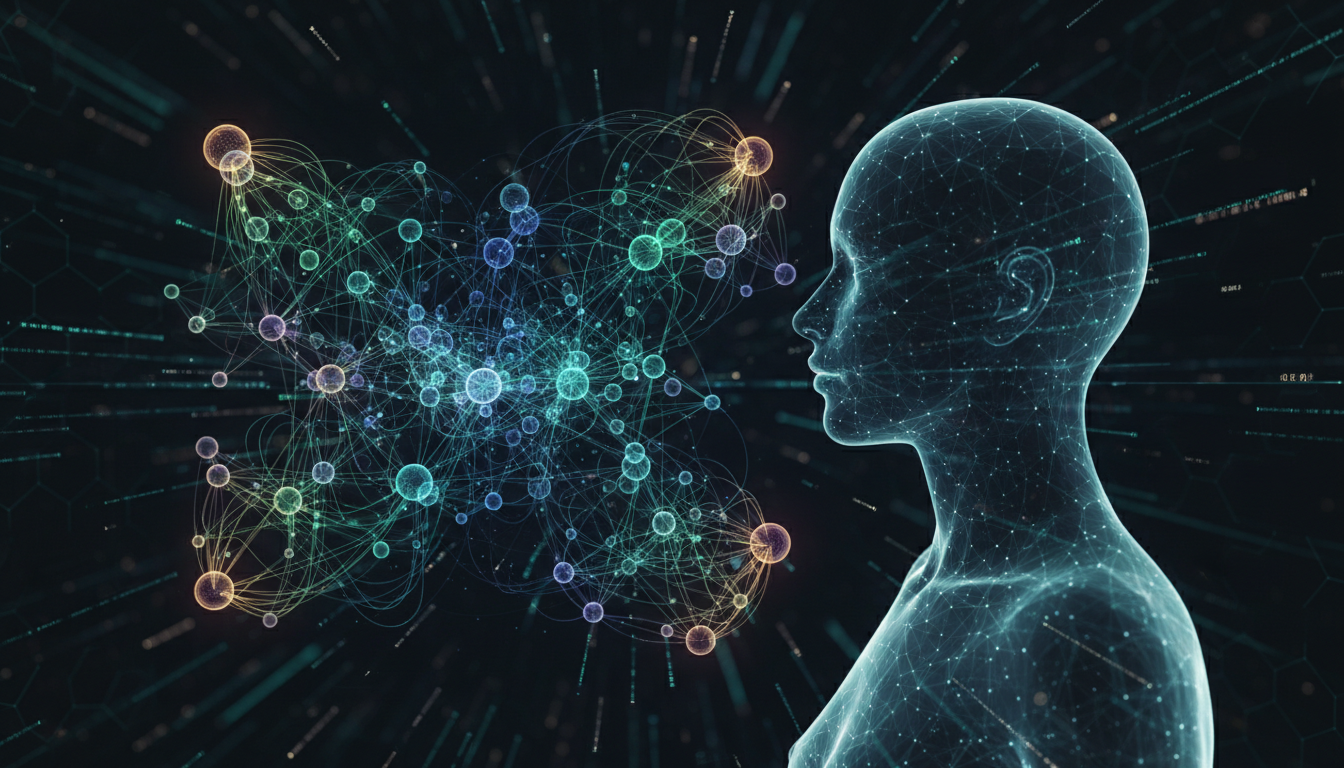
Episode 100 Longevity Roadmap: Better Biology, Sharper Minds, and a Stronger Spirit
Episode 100 is more than a milestone. It is a chance to ask a bigger question: if the next era of longevity gives us better tools to measure, repair, and extend health, what kind of life are we building with that extra time?
The most useful answer blends two priorities that are often separated: body optimization and emotional vitality. Living longer better smarter is not just about lowering biological age, improving VO₂ max, or tracking glucose. It is also about staying connected, resilient, purposeful, and mentally alive.
What You Need to Know First
Longevity science has moved beyond the simple idea of “anti-aging.” The field now focuses on healthspan, the portion of life spent with preserved function, cognitive clarity, metabolic flexibility, emotional stability, and physical independence. The goal is not merely to add years. The goal is to make the later decades stronger, more engaged, and more adaptive.
Episode 100’s forward-looking message fits this shift. The future of health is becoming more personalized, more measurable, and more preventive. Instead of waiting for disease to appear, the emerging model uses biomarkers, behavioral data, genomics, imaging, and lifestyle patterns to identify risk earlier and intervene sooner.
But there is a second layer. The biology of aging is not isolated from mood, stress, loneliness, motivation, or meaning. A 2023 study in Nature Communications by Gao and colleagues followed 424,299 UK Biobank participants and found that accelerated biological aging was associated with higher risk of depression and anxiety over time. This reinforces a critical idea: mental health and biological aging are intertwined systems, not separate tracks.
The practical implication is simple but powerful. A serious longevity plan should train the body, protect the brain, and nourish the spirit.
The Science
How It Works
Aging is not one process. It is a network of interacting biological changes that accumulate over time. A 2023 review in Antioxidants by Maldonado and colleagues highlighted core hallmarks of aging, including telomere shortening, genomic instability, epigenetic changes, mitochondrial dysfunction, loss of proteostasis, altered nutrient sensing, cellular senescence, stem cell exhaustion, and altered intercellular communication.
These mechanisms help explain why aging shows up across multiple systems at once. Mitochondrial dysfunction can reduce energy production and increase fatigue. Cellular senescence can contribute to chronic inflammation. Epigenetic changes can alter gene expression patterns. Loss of proteostasis can impair the body’s ability to maintain healthy proteins, which is particularly relevant to brain aging and neurodegeneration.
Oxidative stress is one connecting thread. Reactive oxygen species are not inherently bad. In controlled amounts, they act as signaling molecules that help the body adapt to exercise, infection, and metabolic demands. Problems arise when oxidative stress exceeds repair capacity, contributing to DNA damage, mitochondrial strain, inflammation, and tissue dysfunction.
This is why the best longevity interventions are rarely single-target hacks. Exercise, sleep, nutrient quality, stress regulation, and social connection all influence multiple aging pathways at once. A brisk walk does not just burn calories. It improves vascular function, insulin sensitivity, mitochondrial signaling, mood chemistry, and cognitive health. A meaningful conversation does not just feel good. It may reduce stress physiology and support brain resilience.
What the Research Shows
The future of longevity is being shaped by increasingly precise biological tools. In a 2023 Science review, Joy Wang and Jennifer Doudna described how CRISPR genome editing has opened a new era where genetic diseases and individual susceptibilities may become more predictable and actionable. CRISPR is not a consumer longevity shortcut, and it is not ready to “edit aging” in a simplistic way. But it signals where medicine is heading: toward earlier detection, targeted intervention, and biology that can be modified with greater precision.
Cellular senescence is another major frontier. Senescent cells stop dividing but remain metabolically active, often secreting inflammatory molecules that can affect surrounding tissue. A 2024 Cell paper by Ogrodnik and colleagues emphasized the need for better standards in studying senescence in vivo, because identifying senescent cells is complex and context-dependent. This matters because the public conversation often oversimplifies senolytics as a near-term anti-aging cure. The science is promising, but the measurement problem is real.
Brain aging is also entering a more sophisticated phase. A 2024 Nature study by Schlegel and colleagues mapped and annotated cell types in the whole-brain connectome of Drosophila, the fruit fly. While flies are not humans, this kind of work reflects a larger trend: neuroscience is becoming more granular. Better brain maps may eventually help researchers understand how neural circuits maintain function, adapt under stress, and fail with age.
Model organisms remain central to this progress. WormBase 2024, described in Genetics by Sternberg and colleagues, continues to support research on Caenorhabditis elegans, a tiny worm that has taught scientists an enormous amount about genetics, lifespan, stress resistance, and nutrient-sensing pathways. Many discoveries in longevity begin in simple organisms before being tested in mammals and eventually humans.
Human data increasingly show that emotional and social factors matter for aging outcomes. Gao and colleagues’ 2023 Nature Communications study linked accelerated biological aging with depression and anxiety risk. A 2023 scoping review in Frontiers in Aging Neuroscience by Cardona and Andrés examined social isolation, loneliness, and cognition in healthy older adults, finding evidence that social disconnection is associated with cognitive decline. The details vary by study design, but the direction is consistent: relationships are a longevity variable.
The evidence does not mean mindset can override biology. Positive thinking will not replace blood pressure control, strength training, or sleep. But emotional wellbeing can influence behavior, stress physiology, inflammatory tone, adherence to healthy routines, and cognitive engagement. In real life, the best protocol is the one a person can sustain because it feels meaningful, not punishing.
Practical Applications
Who Benefits Most
The episode 100 framework is especially relevant for people who are ready to move from reactive health care to proactive healthspan design. That includes adults in midlife who want to prevent decline before it begins, older adults who want to preserve independence, high-performing professionals who feel metabolically or emotionally depleted, and anyone recovering from a health wake-up call.
It is also useful for people who have become overly focused on metrics. Biomarkers, wearables, and biological age estimates can be valuable, but they can also create anxiety if they become the entire story. The goal is not to become a perfect dataset. The goal is to use data as feedback while still building a life that feels emotionally rich and socially connected.
Implementation Considerations
A forward-looking longevity plan should include both measurable inputs and felt-life inputs. The most durable approach is layered, not extreme.
1. Build a biomarker baseline
Before chasing advanced interventions, understand your current risk profile. Work with a qualified clinician to evaluate relevant markers such as:
- Blood pressure
- ApoB or LDL particle-related risk markers
- Fasting glucose, fasting insulin, or HbA1c
- High-sensitivity C-reactive protein when appropriate
- Kidney and liver function
- Body composition and waist circumference
- VO₂ max or cardiorespiratory fitness estimates
- Grip strength and functional strength
- Sleep quality and resting heart rate trends
These markers do not define your worth or future. They give you a dashboard. The purpose is to identify leverage points early.
2. Train for capacity, not just appearance
Longevity fitness should support real-world function. A balanced weekly template typically includes:
- Zone 2 aerobic work to build mitochondrial efficiency and metabolic flexibility
- Higher-intensity intervals when appropriate to maintain peak cardiovascular capacity
- Progressive resistance training to preserve muscle, bone, insulin sensitivity, and independence
- Mobility and balance work to reduce injury risk and maintain movement options
- Daily low-intensity movement such as walking, which supports glucose control, circulation, mood, and recovery
The mechanism matters. Exercise creates controlled stress that triggers adaptation. It stimulates mitochondrial biogenesis, improves vascular function, supports glucose disposal, and influences brain-derived neurotrophic factor, which is linked to brain plasticity.
3. Eat for metabolic stability and cellular repair
Nutrition should support stable energy, adequate protein, micronutrient sufficiency, and cardiometabolic health. Rather than following trend cycles, anchor the fundamentals:
- Prioritize minimally processed foods
- Include adequate protein to support muscle maintenance, especially with age
- Eat fiber-rich plants for gut health, glucose control, and lipid metabolism
- Choose fats that support cardiovascular health, while limiting excess refined oils and ultra-processed foods
- Use carbohydrate intake strategically based on activity level, insulin sensitivity, and personal tolerance
- Avoid chronic overeating, especially when paired with low activity and poor sleep
Nutrient-sensing pathways are central to aging biology. The goal is not constant restriction. The goal is metabolic flexibility, the ability to shift efficiently between fuel sources and maintain healthy energy regulation.
4. Protect sleep like a core therapy
Sleep is where much of the repair architecture happens. Poor sleep affects glucose regulation, appetite hormones, immune function, emotional regulation, blood pressure, and cognitive performance.
A practical sleep protocol includes:
- Keep a consistent wake time most days
- Get outdoor light early in the day
- Reduce bright light and stimulating content late at night
- Keep the bedroom cool, dark, and quiet
- Avoid heavy meals and alcohol close to bedtime when they disrupt sleep
- Treat snoring, insomnia, or suspected sleep apnea seriously
Sleep is not passive. It is active maintenance for the brain and body.
5. Train the nervous system
Chronic stress can push the body toward higher sympathetic tone, poorer sleep, elevated cravings, and reduced recovery. The answer is not to eliminate stress. The answer is to improve recovery capacity.
Useful practices include:
- Slow breathing for 3 to 5 minutes, especially with longer exhales
- Mindfulness or prayer to build attentional control and emotional regulation
- Nature exposure to reduce cognitive load and support mood
- Journaling to convert rumination into reflection
- Therapy or coaching when patterns are persistent, traumatic, or self-sabotaging
This is where the “spirit” side becomes practical. Emotional wellbeing is not vague. It is trainable physiology plus meaning-making.
6. Treat connection as a health behavior
The research on loneliness and cognitive decline should change how we think about social life. Connection is not a luxury item that comes after productivity. It is part of brain and body maintenance.
Consider building a weekly connection plan:
- One deeper conversation with a close friend or family member
- One shared activity that involves movement, learning, or service
- One low-pressure social touchpoint, such as a walk, call, or meal
- One act of contribution, such as mentoring, volunteering, or helping someone
Purpose and belonging are not biomarkers in the usual sense, but they shape the behaviors that biomarkers reflect.
Common Mistakes to Avoid
-
Chasing advanced tools before fixing the basics. CRISPR, senolytics, and biological age testing are exciting, but sleep, strength, nutrition, blood pressure, and connection remain the foundation.
-
Confusing oxidative stress with “all oxidation is bad.” Exercise creates oxidative signals that drive adaptation. Overusing antioxidant strategies may not always be beneficial, especially around training, depending on context.
-
Turning longevity into anxiety. If every metric becomes a threat, the protocol is undermining the goal. Health tracking should increase agency, not fear.
-
Ignoring mental health until it becomes a crisis. Depression, anxiety, burnout, and loneliness can alter health behaviors and may be associated with accelerated biological aging. They deserve early attention.
-
Assuming more intervention means better results. The body adapts to well-timed stress and adequate recovery. More fasting, more training, more supplements, or more tracking can backfire if recovery is poor.
-
Optimizing lifespan while neglecting life quality. A longer life with no joy, connection, contribution, or curiosity is not the target. Healthspan includes emotional range and meaningful engagement.
The Bigger Picture
Episode 100 points toward a more mature definition of longevity. The next era will likely include better biological age tools, more precise risk prediction, gene-editing advances, smarter imaging, improved senescence research, and deeper maps of the brain. These tools may help medicine become more preventive, personalized, and effective.
But the human side will remain central. A person still has to decide how to live, what to prioritize, who to love, what to repair, and what to keep practicing when motivation fades. Longevity is not only a science problem. It is a behavior problem, a systems problem, and a meaning problem.
This is why “living longer better smarter” needs both strategy and spirit. Strategy gives structure. Spirit gives fuel. One helps you know what to do. The other helps you keep doing it.
A useful healthspan framework can be summarized in five domains:
- Measure what matters
- Train physical capacity
- Stabilize metabolism
- Protect brain and mood
- Build connection and purpose
These domains reinforce each other. Better sleep improves training. Training improves mood. Mood improves adherence. Connection lowers stress and increases purpose. Purpose makes hard routines feel worth repeating.
That is the real promise of the next 100 episodes, and the next era of longevity science. Not immortality. Not perfection. A stronger, clearer, more connected life.
Key Takeaways
-
Longevity is moving from disease treatment to healthspan optimization. The future will be more measurable, personalized, and preventive.
-
Aging is multi-system biology. Hallmarks like mitochondrial dysfunction, cellular senescence, genomic instability, and altered nutrient sensing interact across the body.
-
Mental health belongs in every serious longevity plan. Research links accelerated biological aging with depression and anxiety risk, while loneliness and isolation are associated with cognitive decline.
-
The best protocols are layered. Biomarkers, exercise, nutrition, sleep, stress regulation, and social connection work best together.
-
The goal is not just more years. The goal is more capable years, with enough energy, clarity, resilience, and meaning to use them well.